

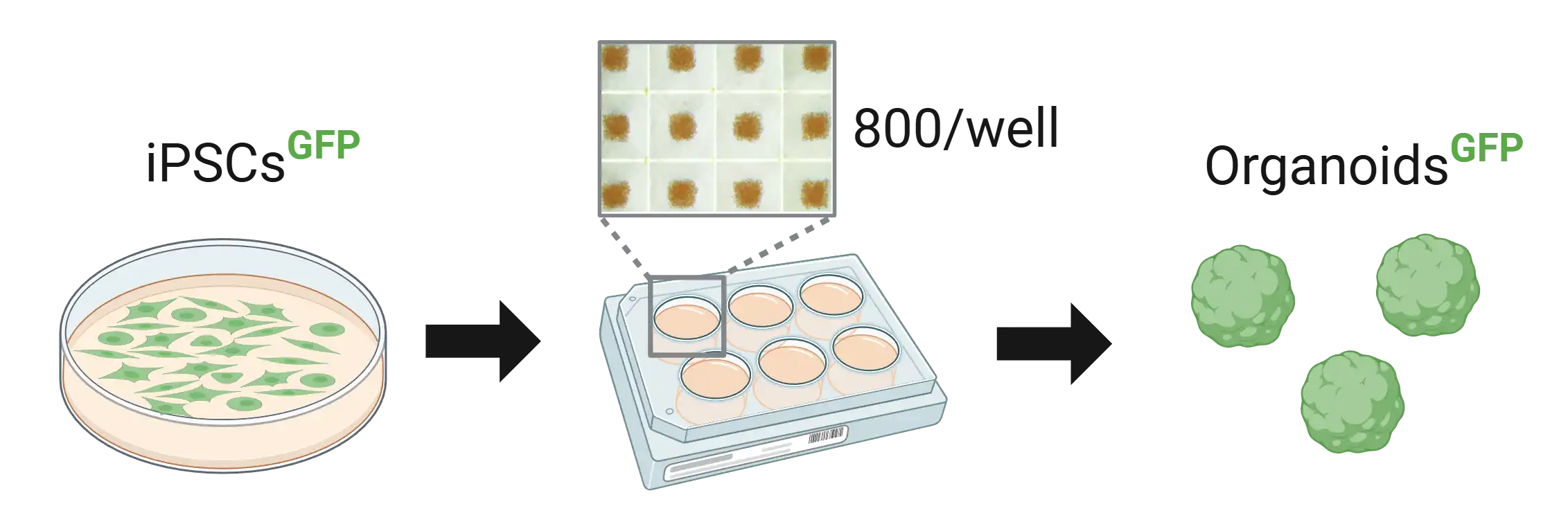
To generate organoids, human iPSCs are first cultured in a complete medium and transduced with GFP lentivirus reporter for positive expression selection. Organoids are produced using an air-liquid culture interface technology and specific cytokine-infused complemented media. After 1 month of culture, the organoids are differentiated.
DAY 4
DAY 52
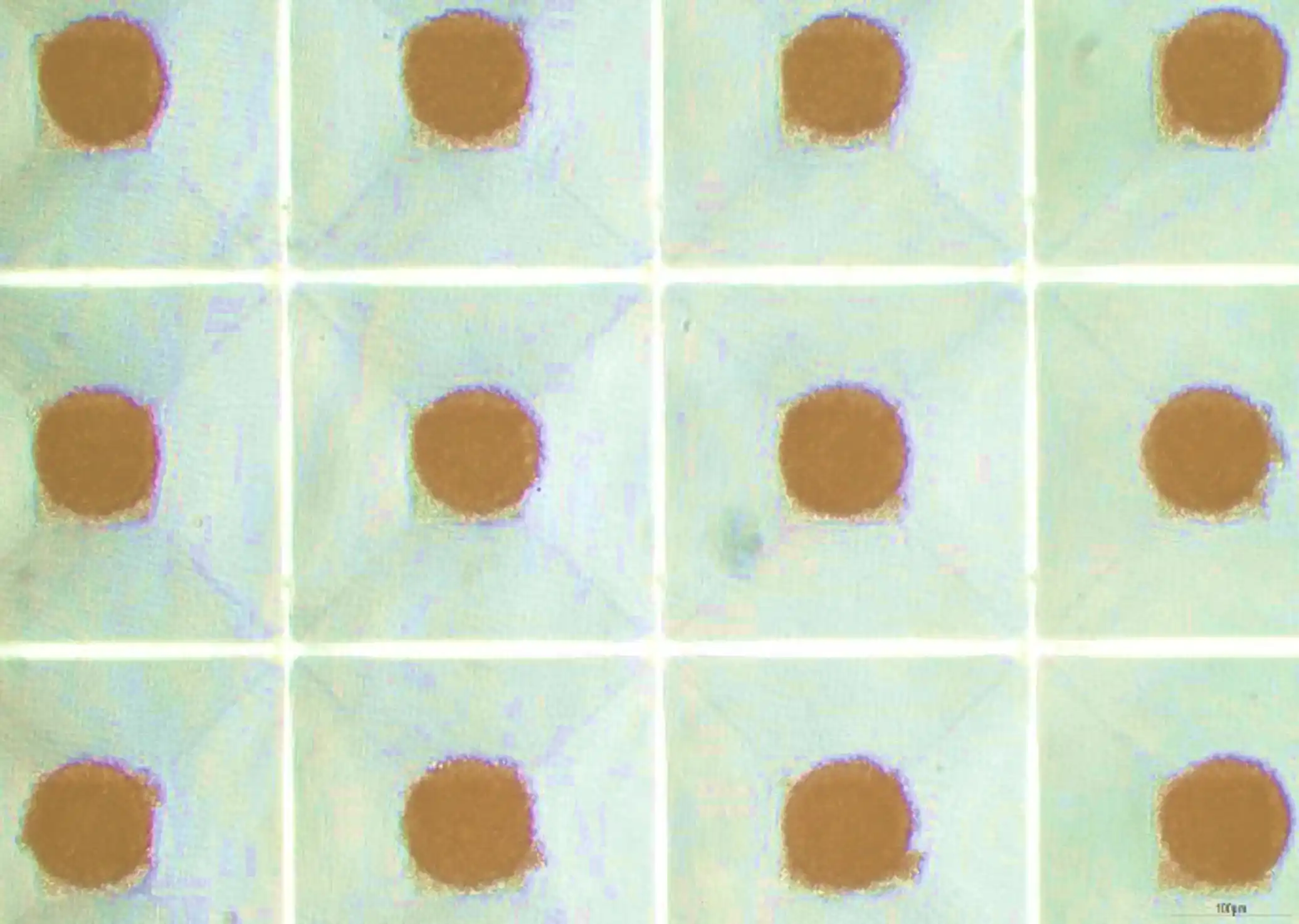
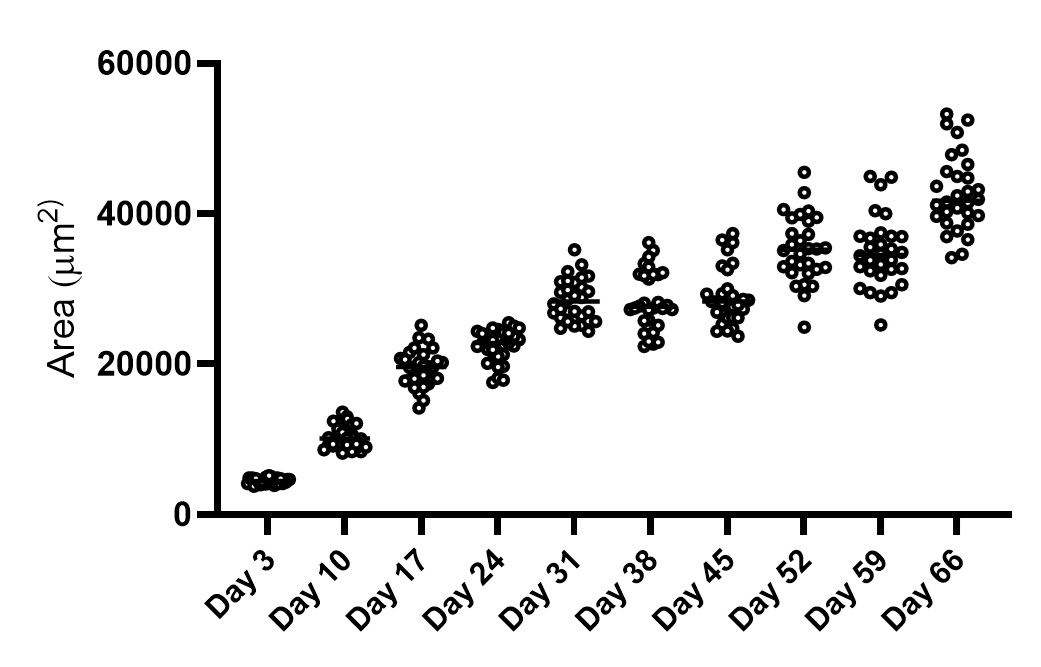

High-throughput model
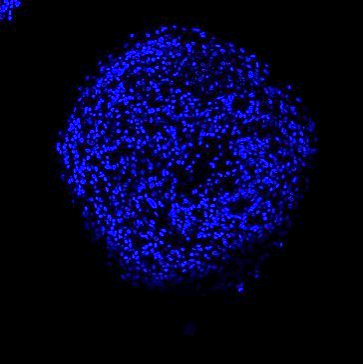
800 sphere / well
Highly reproducible model
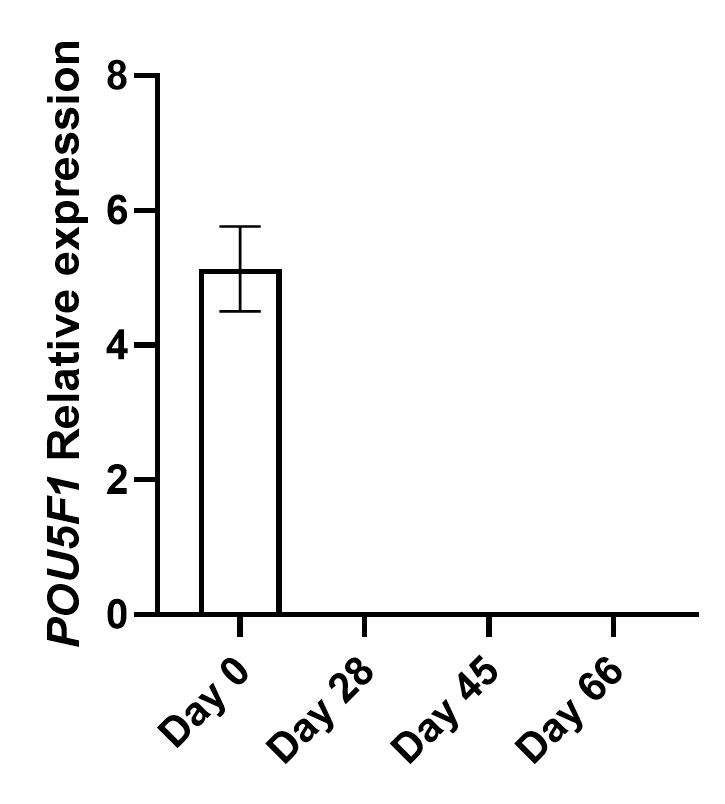
Stemness marker (OCT-4)
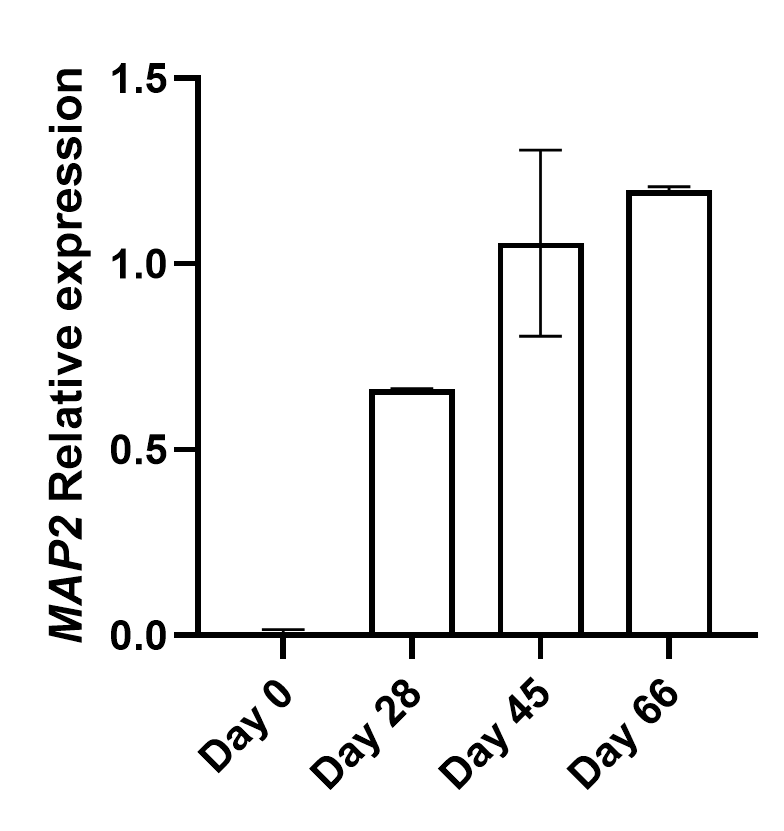
Neuronal marker
Astrocyte marker
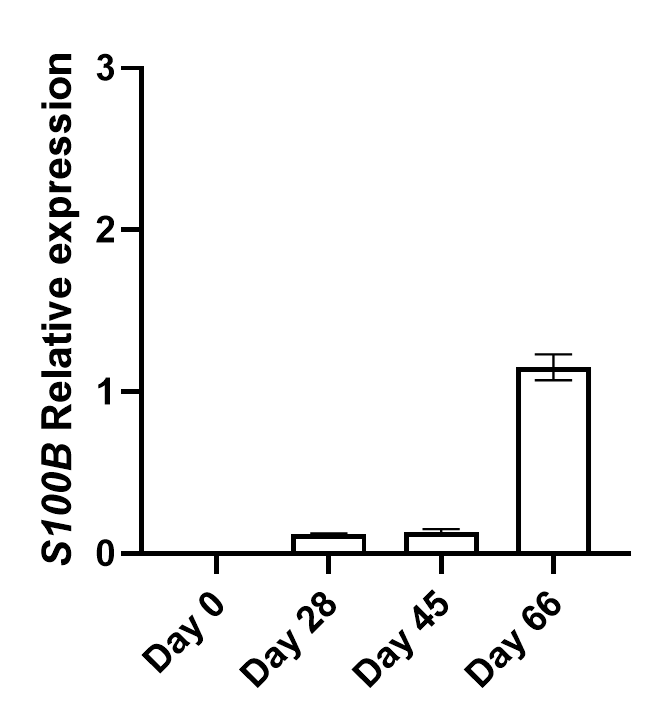
Successful cortical differentiation
No stemness marker after 1 month
Increase in neuronal markers
Increase in astrocytes markers
MAP2 Synaptophysin
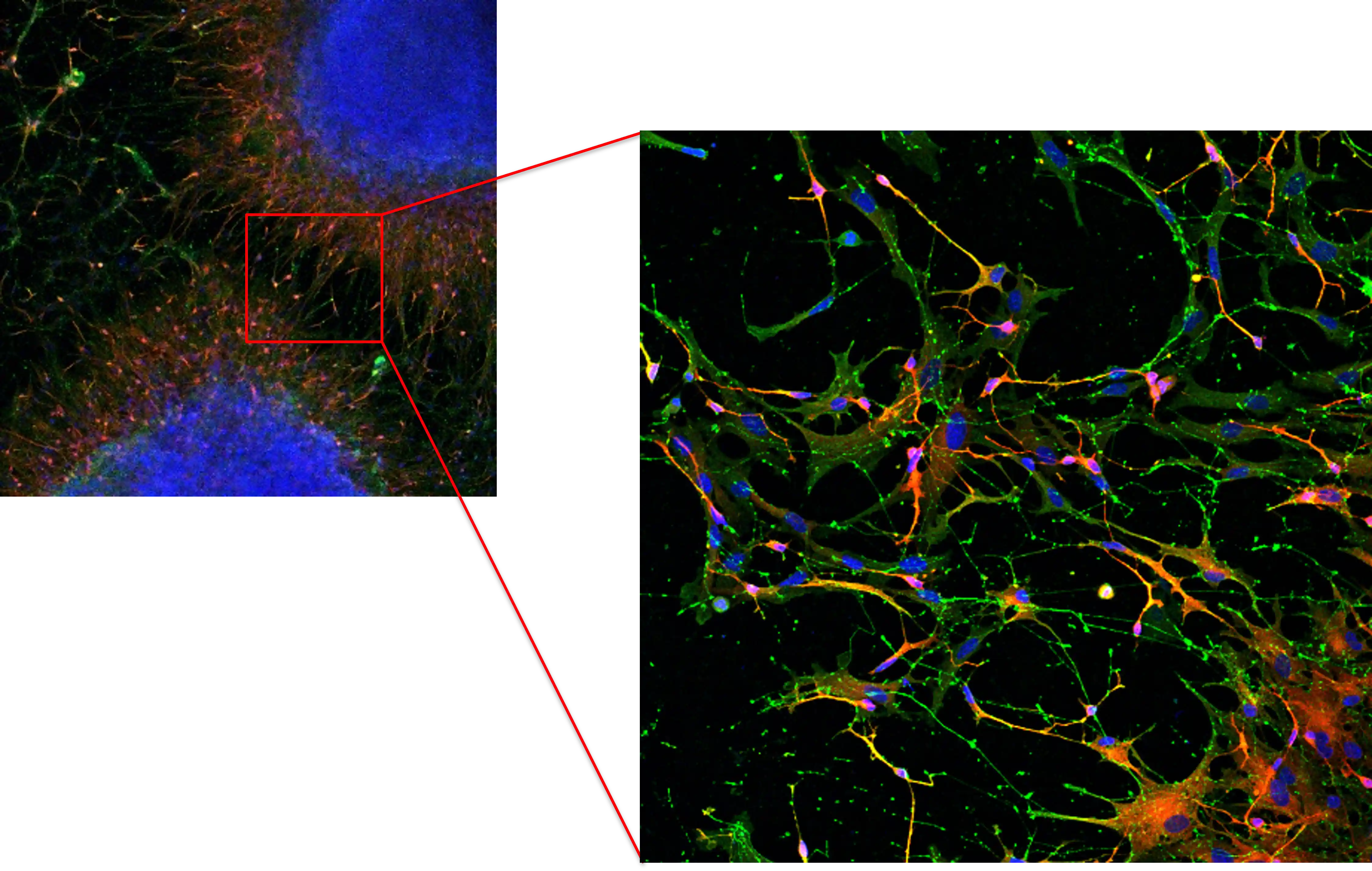
Day 80
DAPI
MAP2
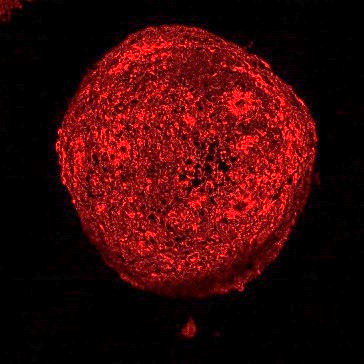
GFAP
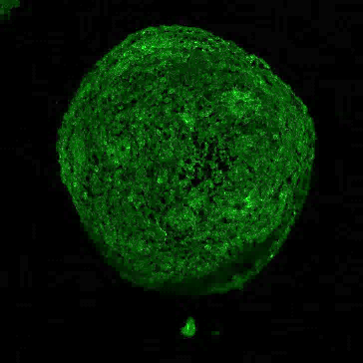
Merged
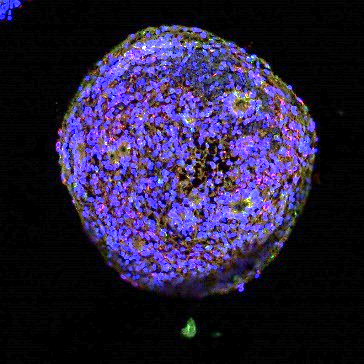
Successful cortical differentiation
Synaptophysin (green) shows neurons synapses maturation (red, MAP2 staining)
Confirmation of neuronal marker (MAP2) and astrocytes (GFAP) markers at day 80

We start by discussing your research objectives, challenges and specific requirements. Whether you need customised iPSC lines, 3D neural tissues, or disease models for glioblastoma, Alzheimer’s, or Parkinson’s, we tailor our services to your goals. (1 meeting)

We uses cutting-edge techniques to develop customised models, like the Blood-Brain Barrier Model for compound penetration studies, Glioblastoma Invasion Model for tumour invasion research, and Alzheimer’s or Parkinson’s Models for neurodegenerative disease modelling. (2-3 weeks)

We rigorously validate our models to ensure they accurately represent the disease or biological system of your choice. This involves advanced 2D and 3D imaging, genomics, proteomics, and other methods to characterise molecular and cellular phenotypes. (maximum 2-3 months)

With our validated models, we perform comprehensive drug screening and therapeutic testing. This includes evaluating drug penetration, assessing tumour response, and testing drugs or cell & gene therapy treatments for neurodegenerative diseases. (1 month)

After completing the study, we provide detailed analyses and reports. These include key metrics, such as drug efficacy data, insights into underlying mechanisms, and recommendations for advancing your research or product development. (1-2 weeks)

Our relationship does not end with project completion. We offer continuous support through updates on our latest advancements and development of new models or assays to suit your evolving research needs.
