

Neurix offers a platform for identifying promising therapeutic leads for Alzheimer’s Disease (AD), using 3D human neural models.
Our brain organoid models faithfully recapitulate both sporadic and familial AD, capturing the distinct features of each disease form.
This technology enables drug and compound screening, cell and gene therapy testing, and detailed mechanism-of-action studies.
This versatile system supports early-stage discovery with pathophysiologically relevant insights into neurodegenerative processes.
01.
Cell bank for organoid generation, with complex genotypes reflecting sporadic Alzheimer’s. Derived from iPSCs reprogrammed from AD peripheral blood mononuclear cells (PBMCs).
Organoids bridging familial and sporadic Alzheimer’s pathology for patient stratification and targeted studies
02.
Organoids derived from iPSCs with APP695 and PSEN1dE9 mutations.
Brain organoid growth: viability and proliferation
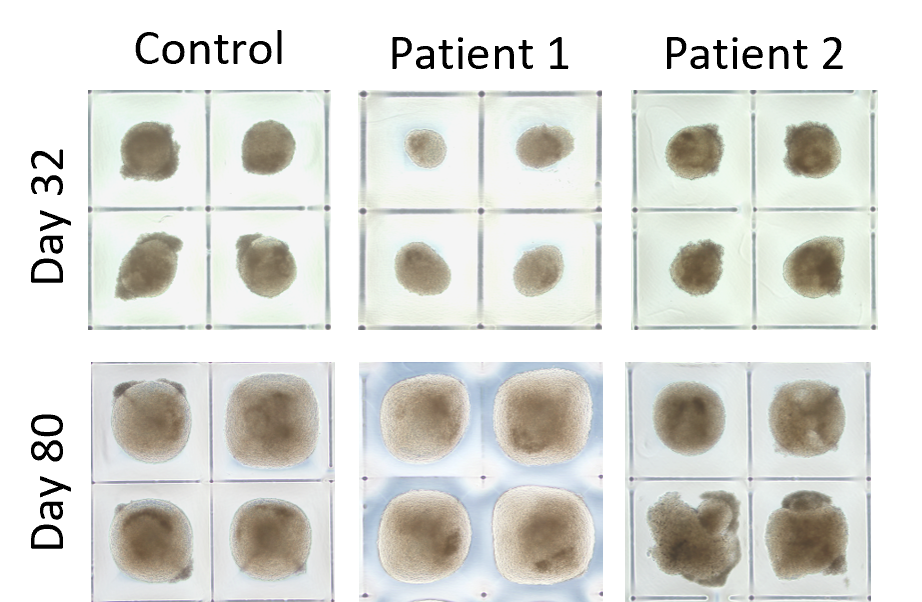
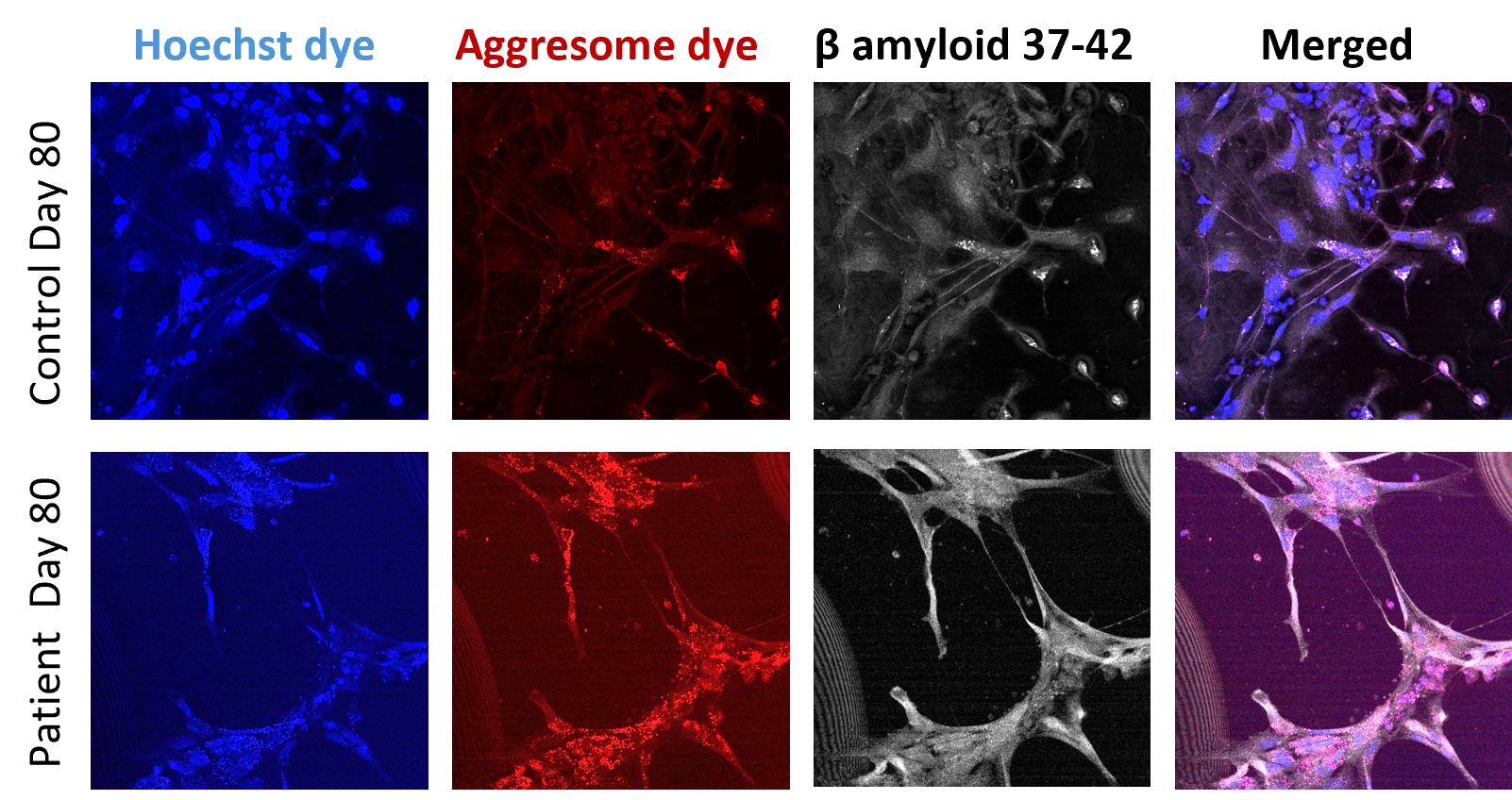
Representative brightfield or fluorescence pictures of neurosphere from control and AD patient cells at day 80 of differentiation showing the disease hallmark of β-amyloid accumulation.

Gene expression of stage-specific markers at different days of differentiation: NeuN (neuronal marker), BRN2 (transient cortical marker), and S100β (astrocyte marker).
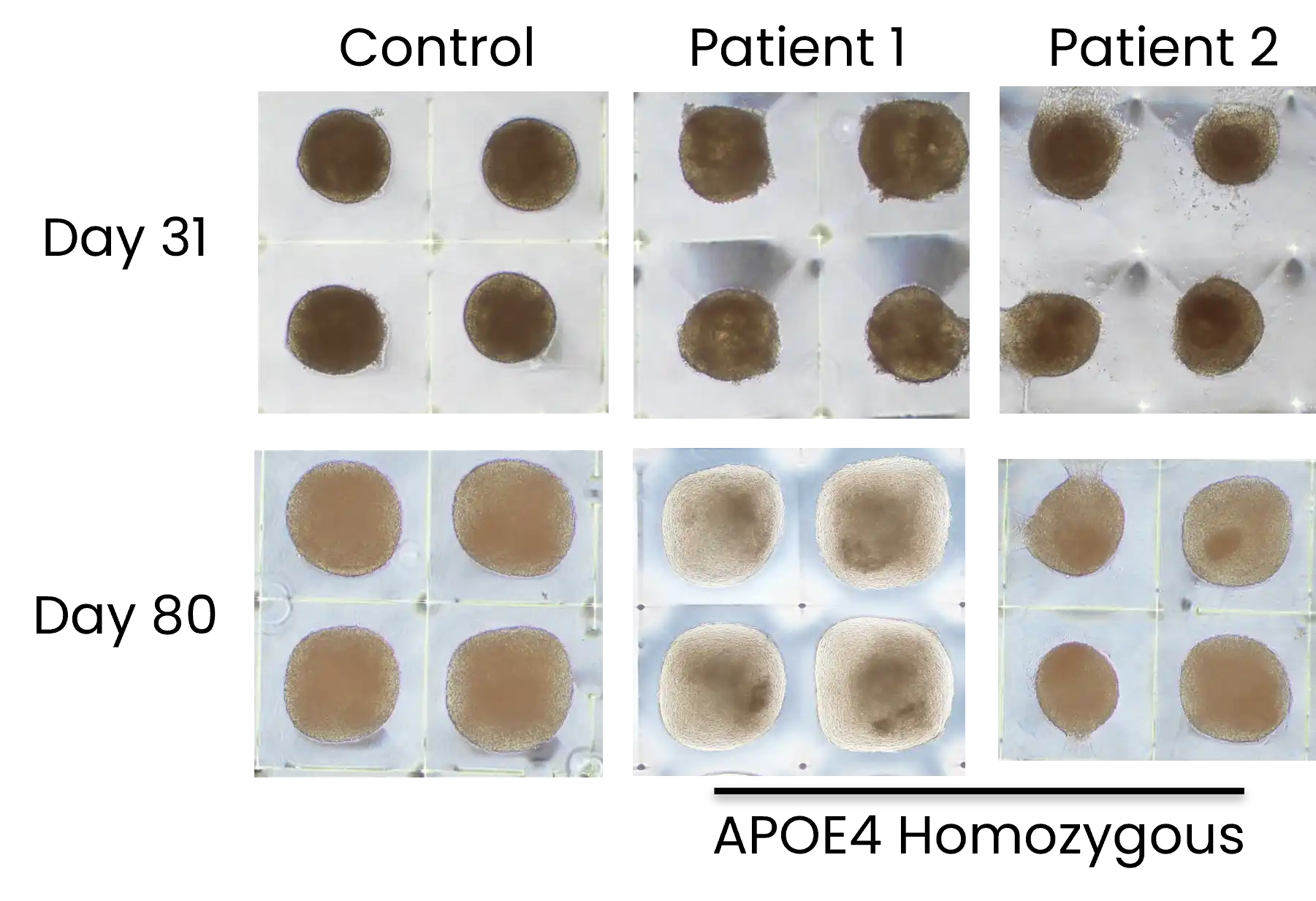


High-throughput model
Highly reproducible model
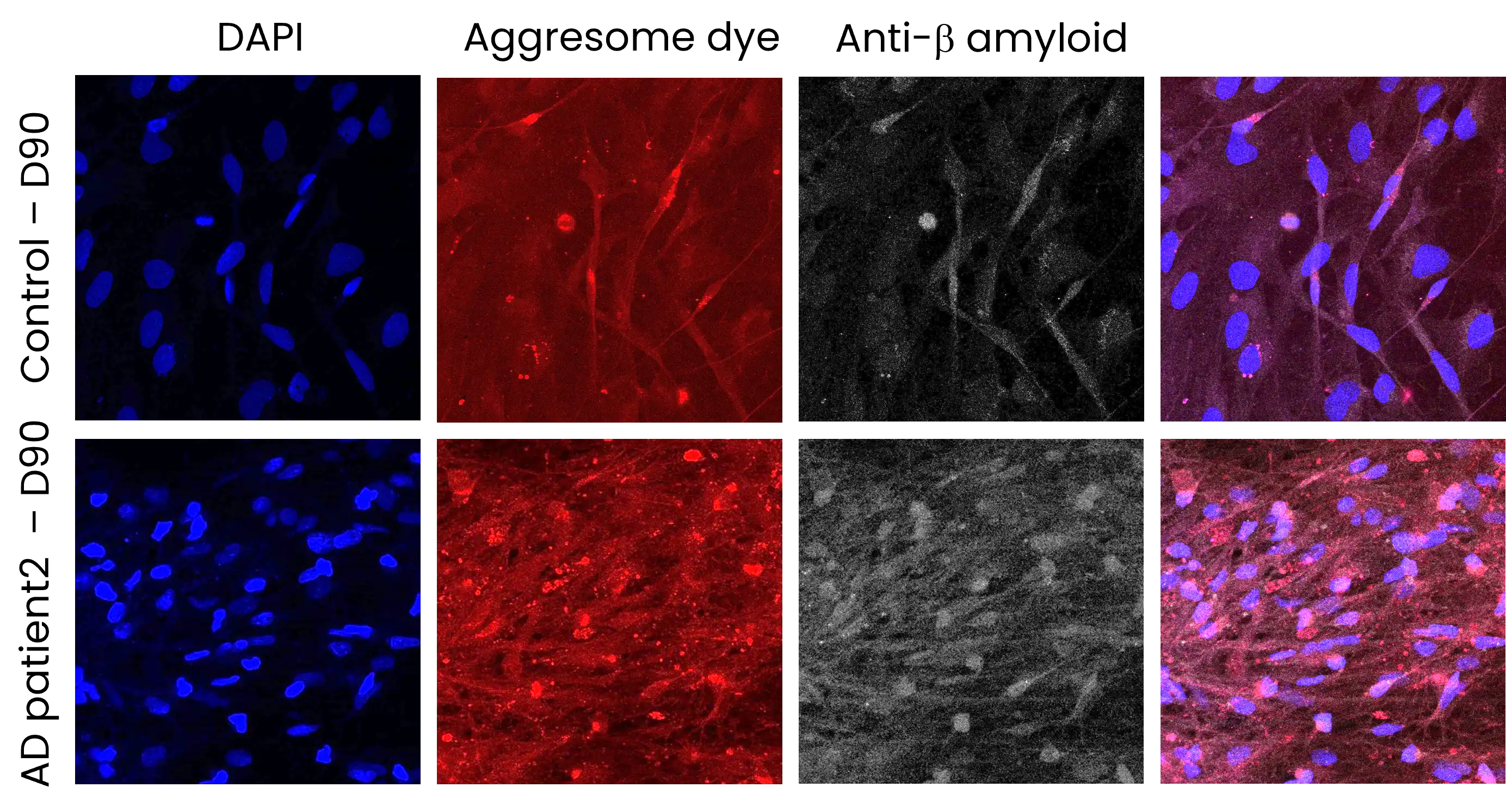
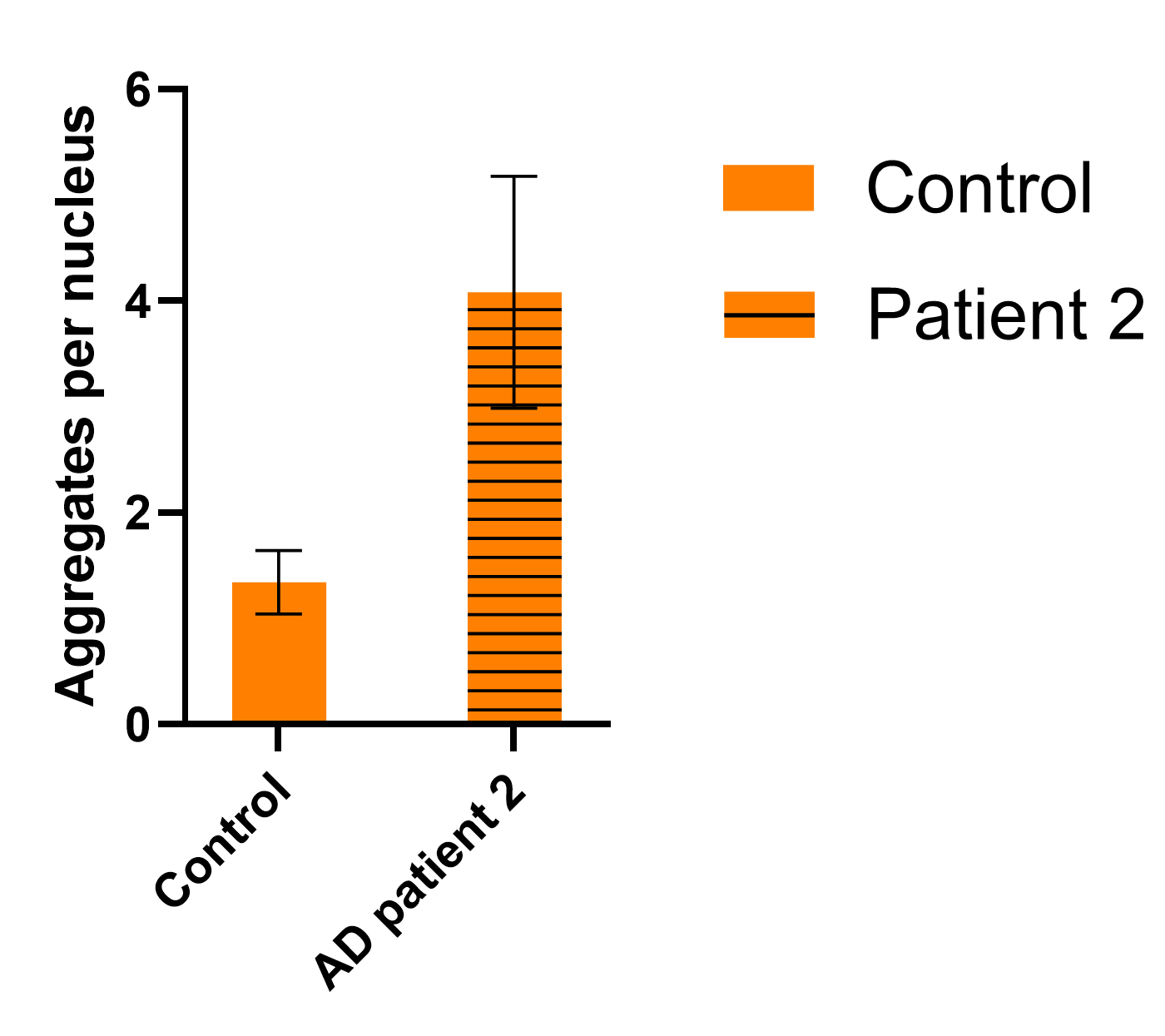
Representative images of organoids from control and AD patient cells at day 90 of differentiation, showing the disease hallmark of β-amyloid accumulation. Magnification 63X.
